 Reviews

 Proudly American
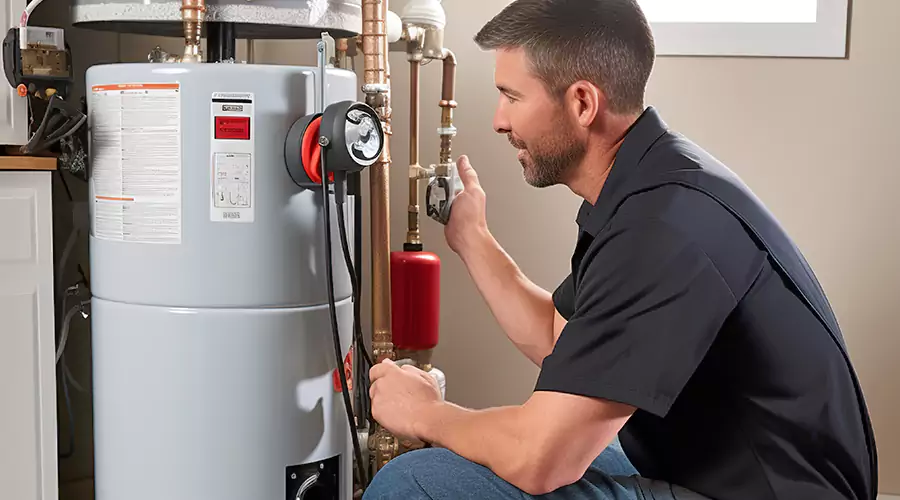
A water heater usually fails at the worst possible time. Knowing the average water heater lifespan and the warning signs of trouble helps you replace the unit before you deal with cold showers or a leaking tank.
How Long Does a Water Heater Last?
Most tank-style water heaters last 8 to 12 years. Tankless water heaters often last 15 to 20 years because they do not store hot water in a large tank.
Typical lifespan ranges
- Gas tank water heater: 8 to 12 years
- Electric tank water heater: 10 to 15 years
- Tankless water heater: 15 to 20 years
- Heat pump water heater: 10 to 15 years
Quick tip: If you do not know the age, check the label for a serial number. Many brands encode the manufacture date in the serial number.
What Shortens a Water Heater’s Life?
These are the most common lifespan killers:
- Hard water and sediment that builds up inside the tank
- Skipped maintenance like flushing and anode rod checks
- Undersizing (the unit works harder than it should)
- Poor installation such as bad venting or loose connections
How to Help Your Water Heater Last Longer?
A little maintenance can delay replacement:
- Flush a tank heater occasionally to reduce sediment
- Ask a plumber to check the anode rod during routine service
- Keep the temperature set to a safe, efficient level (many homes use around 120°F)
- Fix small leaks early so corrosion does not spread
6 Signs You Need to Replace Your Water Heater ASAP
Some issues can be repaired, but the signs below often point to a unit nearing failure.
1) It is near or past its expected age
Age is the strongest predictor. If your tank heater is 10+ years old, plan ahead. If it is 12+ years old and shows any symptom below, replacement is often the safer choice.
2) Rusty or discolored hot water
Brown or reddish hot water can mean the inside of the tank is corroding.
Quick check:
Run cold water from the same faucet. If cold is clear but hot is rusty, the heater is a likely cause.
3) Water pooling around the unit
Moisture or puddles near the base are serious. Leaks can come from fittings or a relief valve, but a tank leak usually means the tank is failing.
Do this now:
- Shut off the cold water supply to the heater.
- Turn off power at the breaker (electric) or turn off gas.
- Arrange service quickly.
4) Rumbling, popping, or banging noises
Noises usually mean sediment buildup. As sediment hardens, the heater works harder and can overheat the tank bottom. A flush may help on newer units, but on older units it is often a sign the end is near.
5) Not enough hot water or temperature swings
If hot water runs out fast, takes longer to heat, or swings between hot and lukewarm, common causes include:
- Failing heating element or thermostat (electric)
- Burner or gas control issues (gas)
- Heavy sediment reducing usable capacity
If the unit is older and needs repeated repairs, replacement often makes more sense.
6) Higher energy bills with no clear reason
As efficiency drops, the heater uses more energy to deliver the same hot water. If bills rise and your usage has not changed, your water heater may be working harder due to worn parts or sediment, signaling the need for water heater replacement.
Repair vs Replace: A Simple Rule
Repair is usually reasonable when:
- The unit is under 6 to 8 years old (tank) and the issue is isolated.
- There is no rust in hot water and no tank leak.
- The fix is straightforward (thermostat, element, minor valve or fitting).
Replace is usually the better choice when:
- The tank is leaking or shows clear corrosion.
- The heater is near end-of-life and needs repeated service.
- Repair cost is close to half the cost of a new unit.
Choosing the Right Replacement Water Heater
Focus on fit and long-term cost.
- Fuel type: gas, electric, tankless, heat pump
- Sizing: first-hour rating (tank) or flow rate (tankless)
- Efficiency and warranty: higher ratings and longer warranties can reduce total cost
Helpful upgrades during installation can include a drain pan, an expansion tank if required, and a leak detector.
FAQ
Should I replace my water heater before it fails?
If a tank unit is older than 10 to 12 years, proactive replacement can prevent leaks and emergency labor costs, especially if any warning sign appears.
What is the most urgent sign?
A leaking tank is urgent. Shut off water and power, then arrange service or replacement.
Bottom Line
A typical tank water heater lasts 8 to 12 years, while tankless units often last 15 to 20 years. If your heater is old, leaking, noisy, producing rusty hot water, struggling to keep up, or pushing bills higher, replacement may be the safest next step.